
Why Construction Projects Stall
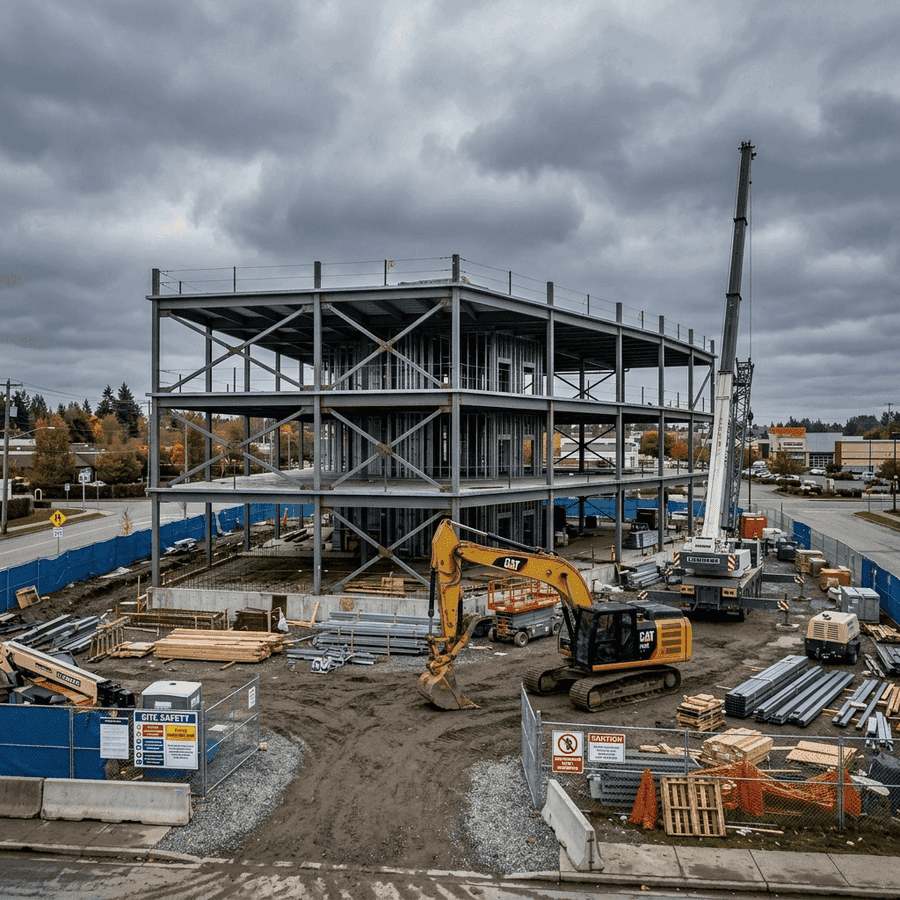
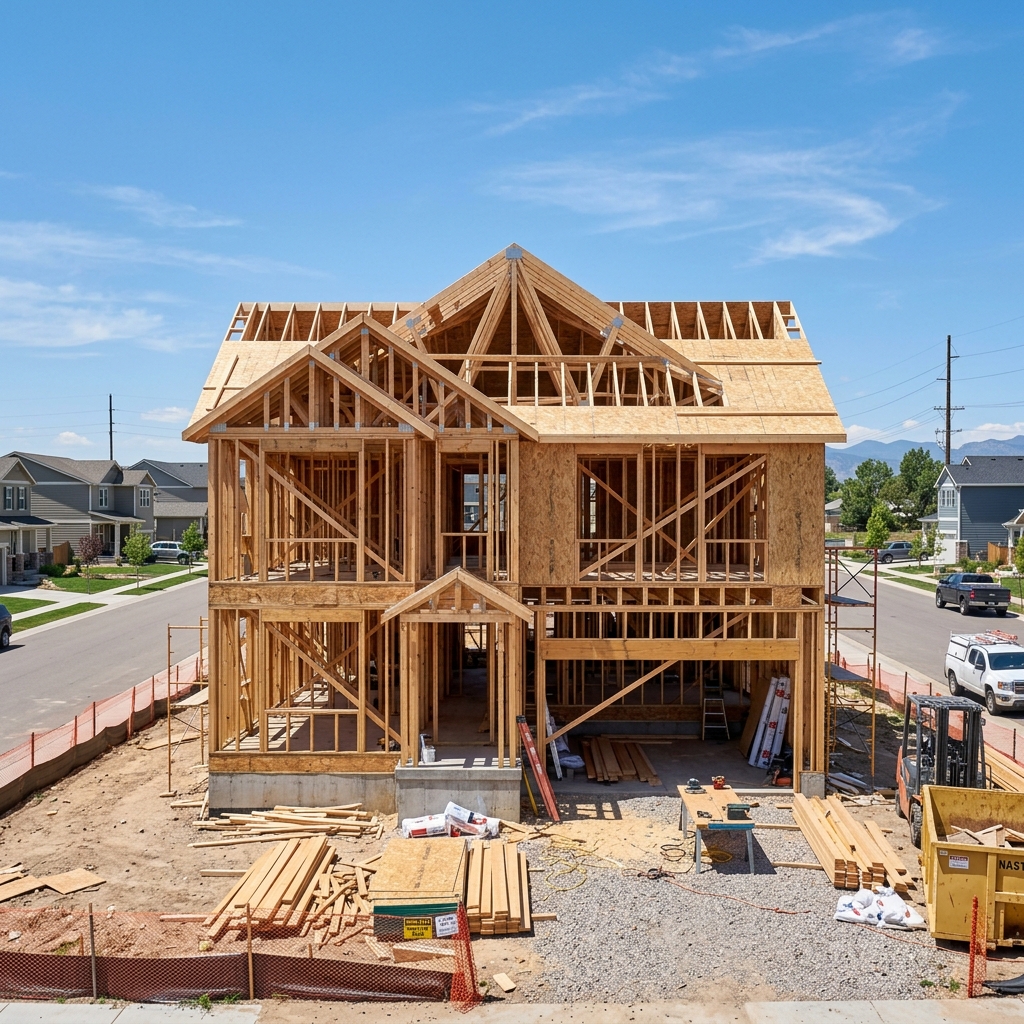
Most stalled projects trace back to a few causes. The original lender — often a bank or institutional construction lender — gets nervous about the market, the borrower, or an inspection and stops releasing draws, even when the work is going well. The general contractor takes a deposit, starts, and then walks, leaving the work half-done. Or material prices, labor costs, or scope changes push the project past what the original loan covered. In each case the structure sits unfinished while carrying costs accrue — and conventional lenders won't lend on an incomplete property.
Why Conventional Lenders Won't Finish the Job
Conventional and most institutional lenders won't fund a partially built property, which is what leaves borrowers stuck. Their programs are built to fund a project from the start or to finance a finished, stabilized building — not to step into the middle of someone else's construction. Private and hard money lenders fill this gap, underwriting the cost to complete and the finished value rather than a standard, all-or-nothing construction file.
How Completion Loans Are Structured
A completion loan is sized against the cost to complete and the as-completed value, typically capping the loan at around 75% of that finished value (LTARV). Lenders review what's been built, what remains, and an updated budget and scope, then fund the remaining work in draws released as milestones are verified. Because the lender is stepping into an in-progress project, they look closely at the contractor, the permits, and a realistic cost-to-complete before funding.
Draws and the Cost-to-Complete
Completion financing is released in draws tied to percentage-of-completion, not calendar dates, so funds are disbursed as verified work gets done. Before funding, the lender re-checks the cost-to-complete math — confirming the remaining budget is realistic and the finished value supports the loan. A clear, updated scope of work and a committed contractor are what move a completion file forward quickly, since the lender is underwriting the path to the finish, not just the collateral.
Your Exit: Sell or Refinance
A completion loan is short-term, so it's built around a clear exit once the project is done. For a for-sale project, the exit is the sale of the finished property; for a hold, it's a refinance into a permanent loan — an agency or bank loan for stabilized commercial and multifamily, or a DSCR loan for a rental. Stating the exit explicitly and showing it's realistic is often what gets a stalled-project loan approved.