
Why Industrial Real Estate Remains a Core Holding
Over the last decade, the shift toward e-commerce and optimized supply chains has fundamentally changed how goods move, elevating industrial and warehouse properties from basic storage to mission-critical infrastructure. Unlike office or retail spaces that require heavy tenant improvements and constant aesthetic upgrades, industrial properties are valued for their utility: clear height, dock doors, power capacity, and highway access.
The Two Main Arenas: Big-Box vs. Small-Bay
When investing in industrial real estate, the market generally splits into two distinct categories, each with its own capital requirements and tenant dynamics:
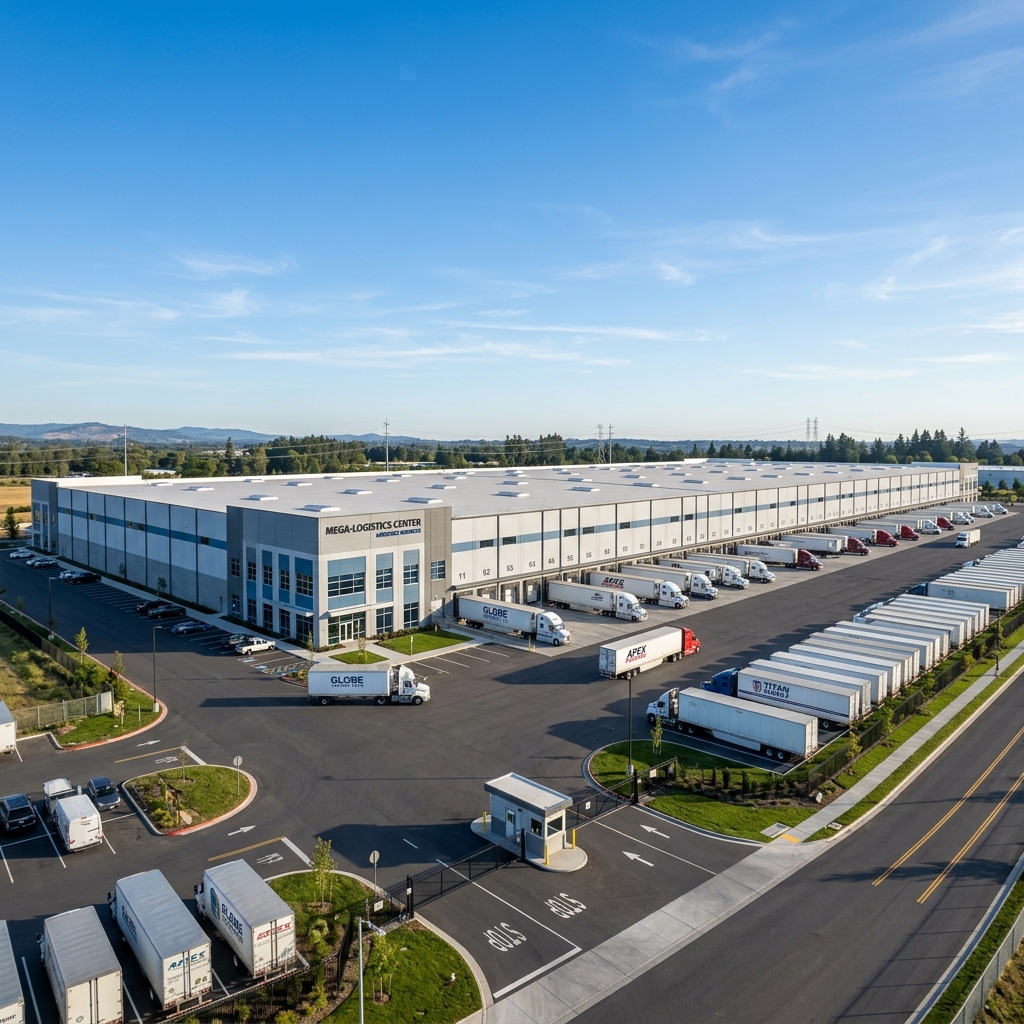
1. **Big-Box Distribution & Logistics**: These are the massive, 100,000+ square foot facilities utilized by major retailers and third-party logistics (3PL) companies. They require significant capital to acquire and are highly sensitive to global supply chain trends.
2. **Small-Bay / Multi-Tenant Flex**: These are smaller units (often 2,000 to 10,000 square feet) grouped in a single complex. They cater to local businesses — plumbers, HVAC contractors, auto repair, and small manufacturers. Small-bay properties offer incredible diversification; if one tenant leaves, the impact on overall cash flow is minimal, and demand for this space heavily outpaces supply due to the high cost of constructing new small-bay facilities.
Whether you are looking to acquire a single-tenant net-leased warehouse or a multi-tenant flex park, financing is readily available for both stabilized acquisitions and value-add repositioning.