
SPECIAL OFFERHard money loans starting at 9.99%Learn More >
Property Types

Single-Family Residence (SFR) Investing: How to Make Money With Houses (2026 Guide)

A single-family residence (SFR) is a standalone house — and it's the most common way investors get into real estate. Bought through an entity for business purposes, an SFR can be rented for cash flow, renovated and resold for profit, or simply refreshed and flipped, and it's financed on the property rather than your personal income.

Nationwide
Lending
Fast
Decision
Secure &
Confidential
FOR NEW AND GROWING REAL ESTATE INVESTORS.
Nationwide
Lending
Fast
Decision
Secure &
Confidential
FOR NEW AND GROWING REAL ESTATE INVESTORS.
Step 1 of 2

Check Eligibility

For Your Next Real Estate Project

Soft credit pull only — won't affect your score

256-Bit SSL Encryption & Privacy Protected

No obligation • Response within 24 hours

What Is an SFR?

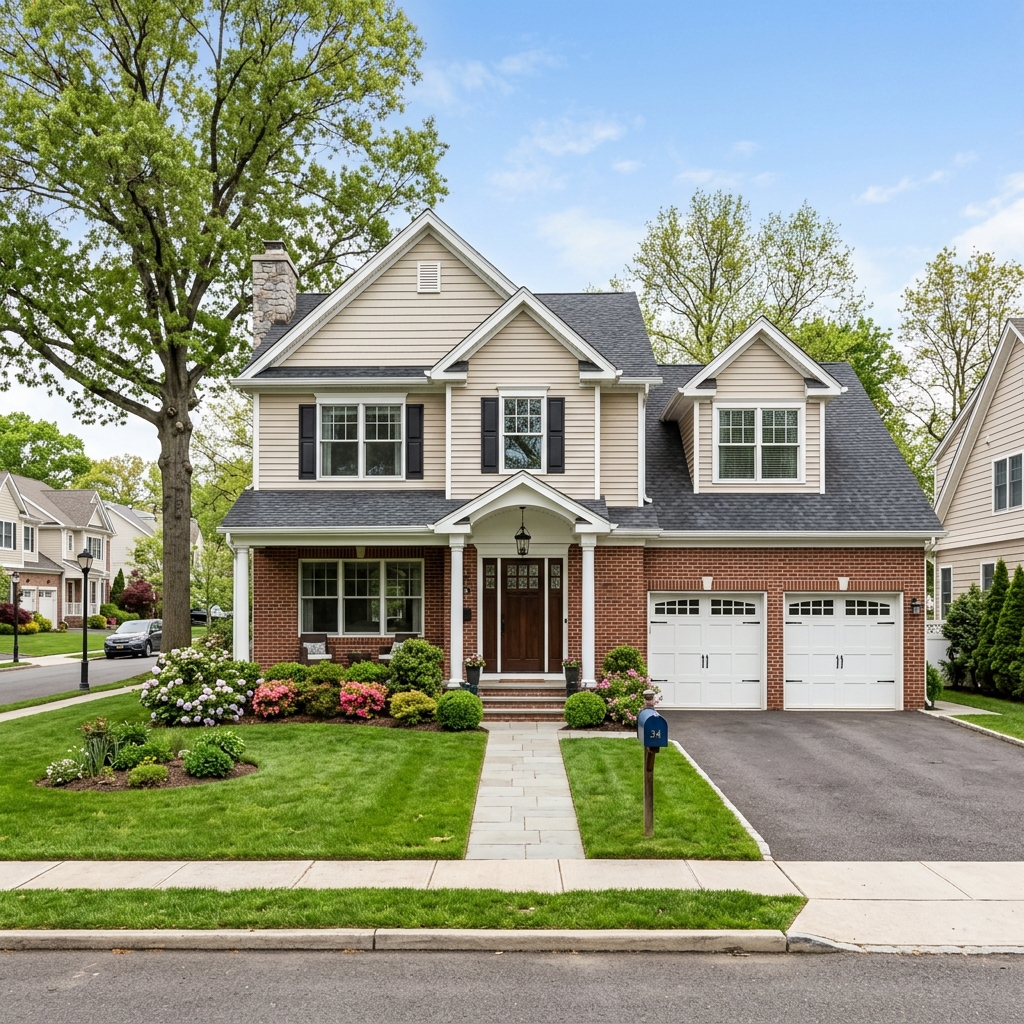
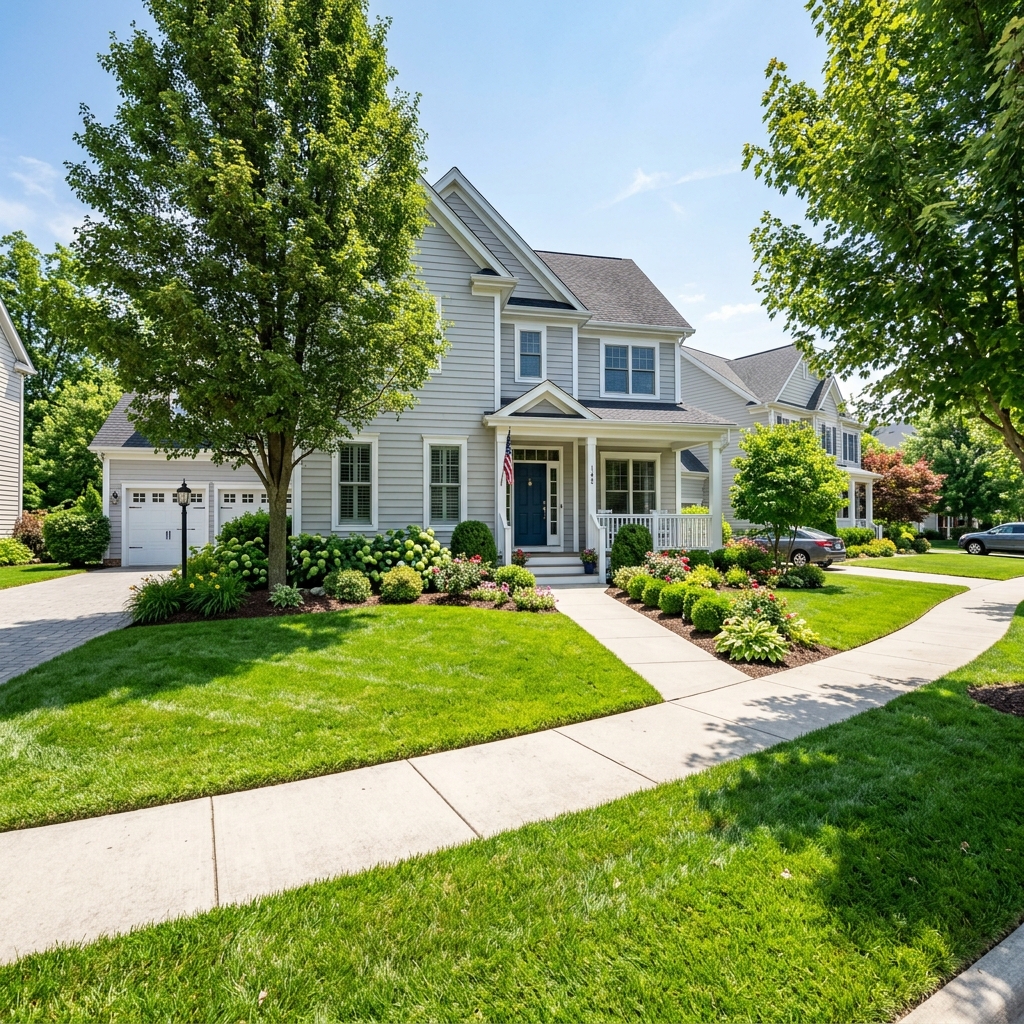
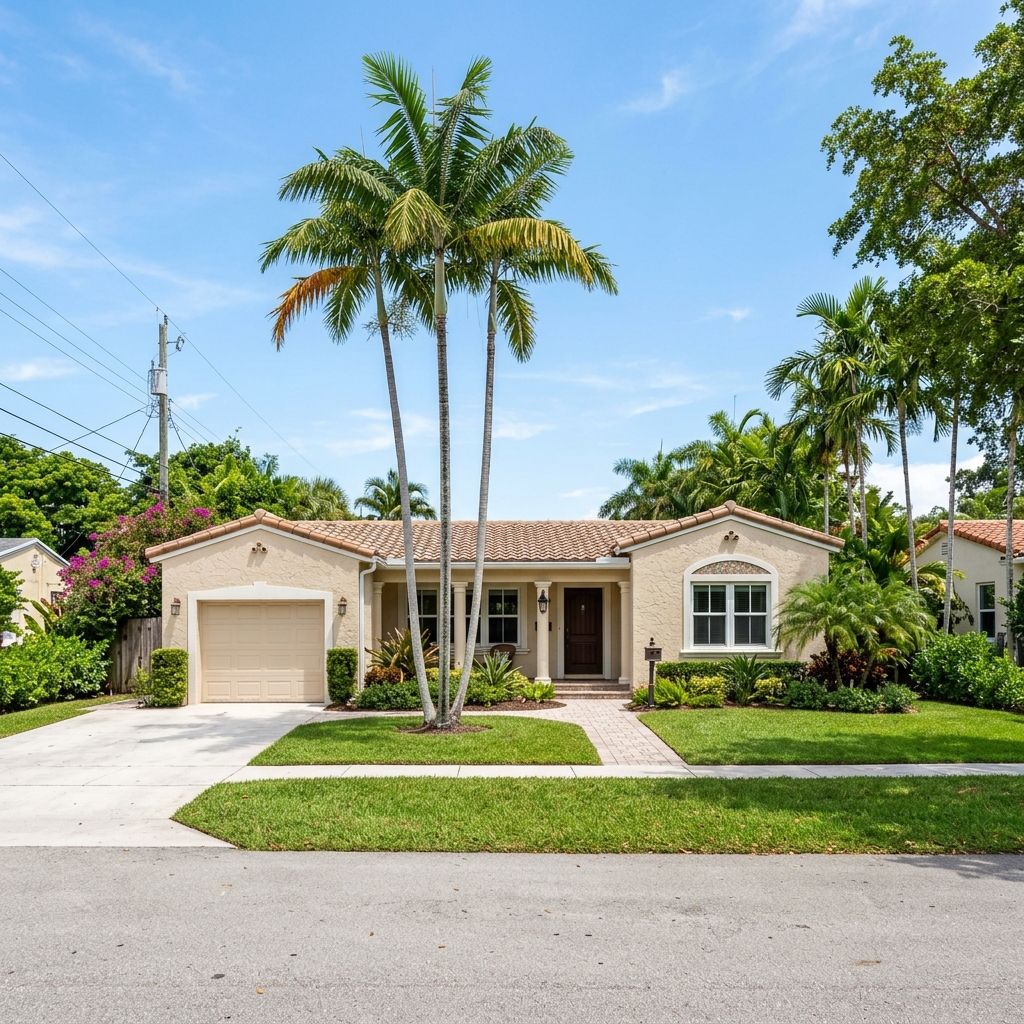
A single-family residence (SFR) is a standalone, detached house built for one household to live in. As an investment, an SFR is purchased for business purposes — typically held in an entity such as an LLC or an S- or C-corporation — and used to make money by renting it out, reselling it, or improving it and selling for more. It's the most accessible asset class in real estate: familiar, liquid, and financeable in several ways depending on your plan.
What Is an SFR?

What You Can Do With It

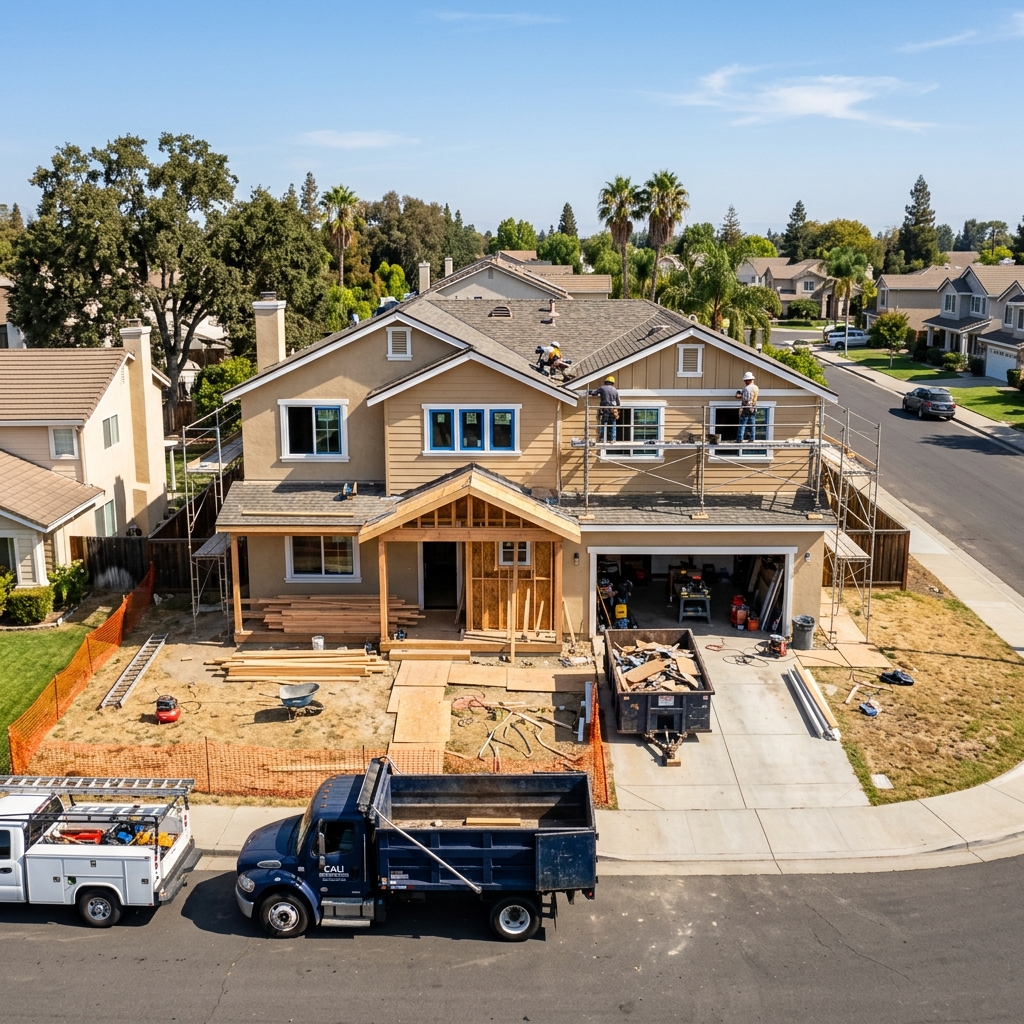
An SFR gives an investor several ways to make money — here's what you can do with one, and where to learn how each is financed.

StrategyWhat It MeansLearn More
Buy & Hold (Rent)Buy, rent to a tenant, and hold for monthly cash flowDSCR Rental Loans
Fix & FlipBuy distressed, renovate, and resell for profit within ~12 monthsFix & Flip Loans
Light Cosmetic FlipBuy, refresh (paint, fixtures, curb appeal), and resell higher — minimal rehabFix & Flip Loans
BRRRRBuy, rehab, rent, refinance into a long-term loan, repeatRenovation & Value-Add
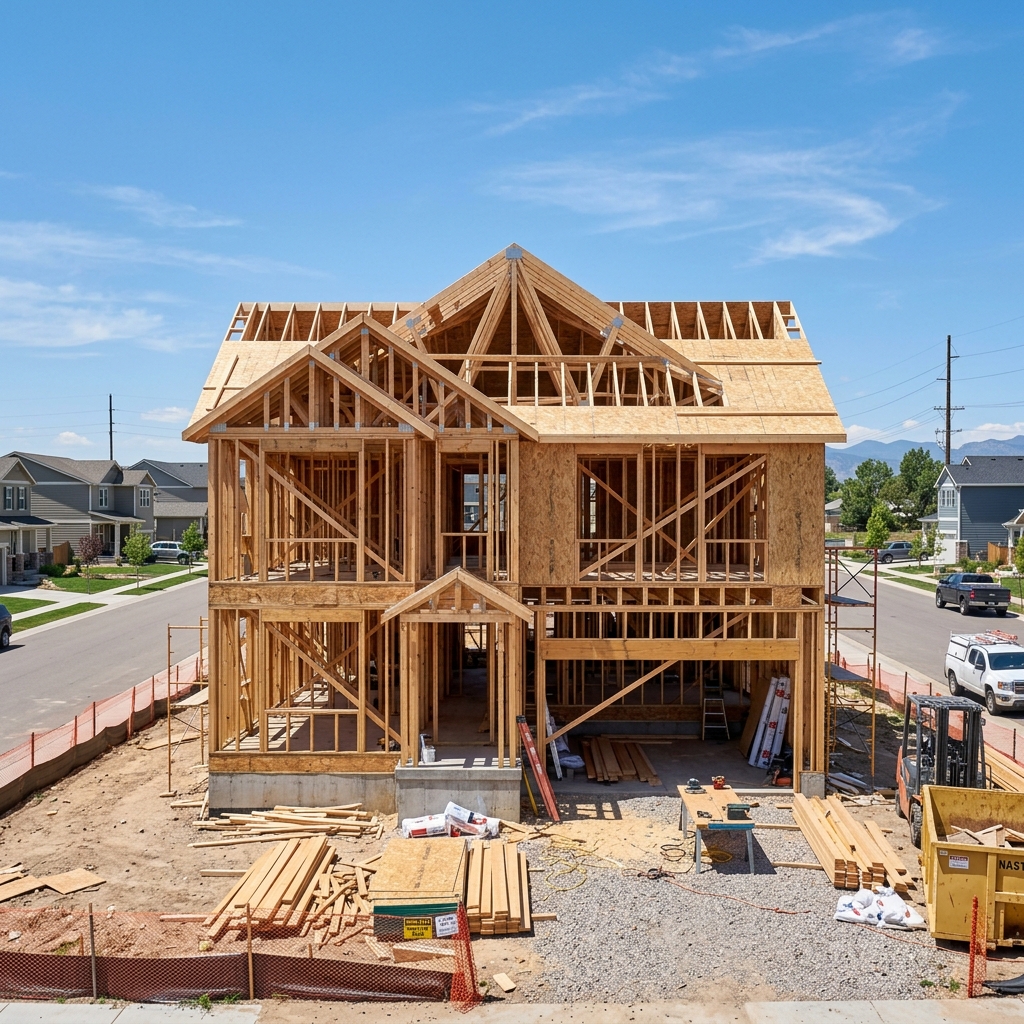
Build-to-RentBuild or buy new to hold as a rentalConstruction Loans
Buy Fast, Refinance LaterClose quickly, then refinance into permanent financingBridge-to-Permanent

SFR Market Snapshot (2026)

Single-family investing is one of the largest, most active corners of U.S. real estate — here's the market at a glance (20252026 data from ATTOM and the JBREC + Kiavi Fix and Flip survey).

A massive, active market~297,000 homes flipped in the U.S. in 2025 — roughly 1 in every 13 home sales (ATTOM)
Real, repeatable profit~$65,981 average gross profit per flip in 2025 (ATTOM)
Strong returns~25.5% average gross ROI per flip in 2025 (ATTOM)
Activity is risingFlips rose to ~8% of all home sales in Q1 2026, up from ~7.2% the prior quarter (ATTOM)
Momentum is backFix & Flip sentiment index jumped to 62 in Jan 2026 — its biggest gain in 3 years (JBREC + Kiavi)
A proven investor strategyFlippers make up ~25%35% of all investor home purchases every year (JBREC)
Built to grow2026 activity is projected to grow on price stabilization, lower financing costs, and new renovation tax deductions (JBREC + Kiavi)

Figures are third-party market data (ATTOM, JBREC + Kiavi), not Capwell results. Market conditions change.

Serhii Sarkisov
Written by Serhii Sarkisov
Capwell Capital — Commercial Real Estate Loan Broker (Capwell Capital DBA, TX)
Last updated: August 2026

Why Investors Start With Single-Family Homes

Key Insight:

Single-family homes are the most common entry point into real estate investing because they're familiar, widely available, and financeable in more ways than any other asset. An investor can rent one for steady cash flow, flip one for a lump-sum profit, or refresh and resell it — and unlike larger commercial assets, an SFR can be financed on the property's value and rent rather than the investor's personal income.

How to Make Money With an SFR

There are three core ways to profit from a single-family home, plus several variations. Buy-and-hold generates monthly rental cash flow and long-term appreciation. Fix-and-flip buys a distressed house, renovates it, and resells it for a profit — in 2025 the average flip earned a gross profit near $65,981 at about a 25.5% ROI. And a light cosmetic flip — a fresh coat of paint, updated fixtures, and improved curb appeal with minimal structural work — can add value on a small budget, a strategy many investors use in the $100,000–$200,000 price band.

The Light-Refresh Strategy: Small Money, Real Margin

Not every profitable flip needs a full gut renovation. Some of the most efficient SFR deals come from a light cosmetic refresh — paint, flooring, fixtures, landscaping, and cleanup — that modernizes a dated but sound house and lets it resell for meaningfully more. Because the rehab budget is small and the timeline short, holding costs stay low and the margin can be strong, which is why experienced investors often prefer a cosmetic refresh over a heavy rehab when the house doesn't truly need one.

Buying an SFR Through an Entity (LLC or Corporation)

Investors typically buy a single-family investment property through a business entity such as an LLC, rather than in their personal name, for liability protection and cleaner bookkeeping. Holding title in an LLC separates the asset from personal exposure and is fully compatible with investor financing like DSCR loans, which are designed to lend to entities. This is a business-purpose investment — not a primary residence — which is what keeps it in the investment-financing world.

The SFR Market in 2026

The single-family investment market is stabilizing in 2026 after several years of tighter margins. ATTOM reported about 297,045 homes flipped in 2025 — roughly 7.4% of all home sales — with the flip share rising to about 8% in the first quarter of 2026. Investor sentiment is recovering: the JBREC + Kiavi Fix and Flip index rose to 62 in January 2026, its largest quarterly gain in three years. Margins are tighter than the 2016 peak, so disciplined investors succeed by knowing their renovation, holding, and exit numbers before they buy.

How SFR Investments Are Financed

A single-family investment is financed based on your plan: a DSCR rental loan for a buy-and-hold, a fix & flip loan for a renovation-and-resale, or a bridge loan to close fast and refinance later. Because these are asset-based loans, they qualify on the property's rent or after-repair value rather than your personal income — which is why investors can scale beyond what a conventional mortgage would allow. (See the linked financing pages for the details of each.)

What to Watch Out For

Single-family deals are approachable, but a few mistakes sink new investors more than any other. Watch for these.

  • Underestimating the rehab budget — renovations routinely run over; pad the budget and keep reserves, because most lenders won't fund overruns.
  • Buying where there are no comparable sales — a house you can't accurately value is a house you may not be able to refinance or resell at your target price.
  • Overpaying on ARV assumptions — an inflated after-repair value is the most common way flips lose money; use conservative, recent comps.
  • Ignoring the exit before you buy — a flip needs a realistic resale; a rental needs to qualify for the take-out refinance (often 680+ FICO, DSCR above 1.2). Know the exit first.
  • Long holding times — every extra month of taxes, insurance, and interest eats the margin; deals under ~120 days protect returns.
  • Skipping a real inspection — surprise foundation, roof, or system issues can turn a cosmetic flip into a gut job overnight.
  • Buying in a declining local market — a rising market forgives mistakes; a falling one punishes them. Check local trends, not just the national headline.

Real-World Examples

Profile

The rehab that went over budget (and the reserve that saved it)

Jamal bought his first single-family rental for $185,000, planning a $30,000 cosmetic refresh and a quick lease-up. Two weeks in, the crew opened a wall and found failed plumbing and old wiring — the budget jumped past $50,000 and the timeline slipped by months while taxes and interest kept accruing. What saved him wasn't luck; it was reserves. Because he'd kept extra cash on hand instead of stretching to buy a pricier house, he covered the overrun, finished the work, and refinanced into a DSCR loan once it was rented. The lesson he repeats now: budget for the surprise you can't see, because the wall always hides something. Today the house cash-flows — but it taught him to buy with a cushion, not at the edge.

The rehab that went over budget (and the reserve that saved it)
Profile

The "great" tenant who wasn't (and the screening he skipped)

Marcus closed on a $220,000 rental and, eager to stop the vacancy from eating his mortgage, rented to the first applicant who seemed friendly and paid the deposit in cash. He ran a quick credit check and called it good. Four months later the rent stopped, and he learned the eviction process the hard way — carrying the full payment for months while the unit sat, then paying to repair the damage left behind. The deal survived because the property had real equity and the numbers had margin, but the lesson stuck: the property doesn't pay you, the tenant does. Now he screens every applicant fully — income, history, references — before anyone gets the keys, and his rentals run quietly.

The "great" tenant who wasn't (and the screening he skipped)
Profile

The auction "bargain" that hid a two-year rehab

Bianca found a distressed house at auction listed as a light fixer for $150,000, with an after-repair value near $285,000 on paper. She moved fast — too fast — and skipped a real inspection to win it. The "light" rehab turned out to need a new roof and foundation work, pushing costs $40,000 over plan and stretching the project far longer than she budgeted. She got through it by bringing on a vetted general contractor and refinancing the over-budget short-term loan into longer-term financing to stop the bleeding on carrying costs. Her takeaway: a real inspection and a contractor you trust cost less than the surprise that shows up after you own it.

The auction "bargain" that hid a two-year rehab

Illustrative examples based on common investor experiences — not actual Capwell clients, and not an offer or a guaranteed rate. Your terms depend on the property, equity, and profile.

How It Plays Out

Nina found a single-family house listed at $185,000 that looked like a bargain. She wanted to buy it and rent it out, but she wasn't sure how to start: Should she buy it in her own name or set up an LLC? Would the rent actually cover the loan payment? And could she refinance later without getting stuck in an expensive short-term loan? Working through it, she learned the pieces that matter — hold title in an LLC for protection, confirm the rent supports a DSCR above 1.2 before committing, and plan the DSCR refinance as the exit from day one. She structured the deal that way, and today the house pays her every month. If you're at that same starting point, send us your scenario and we'll help you structure the deal before you commit.
How It Plays Out

Access More Financing for Your Project

We help identify and present the full value of your project so all eligible costs and existing equity can be considered.

Step 1 of 2

Check Eligibility

For Your Next Real Estate Project

Soft credit pull only — won't affect your score

256-Bit SSL Encryption & Privacy Protected

No obligation • Response within 24 hours

House under construction
Land value and existing land equity
Approved plans and permits
Architecture, engineering, and eligible soft costs
Site preparation and completed construction work
Remaining vertical construction budget
Completed value or stabilized property value

Tips

These are general pointers investors commonly raise, not rules — every deal is different, and none of this is financial, legal, or tax advice.

1

Run the numbers before you buy

Know your rehab, holding, and exit costs to the dollar; a tight market won't bail out an over-budget deal.

2

Use conservative comps

Base ARV and rent on recent, nearby sales, not optimistic guesses.

3

Hold title in an entity

An LLC protects you personally and works with investor financing like DSCR.

4

Plan the exit first

Decide whether you're renting, flipping, or refreshing, because it changes the right loan and the right purchase price.

5

Keep reserves

Most lenders want several months of reserves, and overruns are the norm, not the exception.

6

Compare more than one lender

Rates, LTV, and terms vary widely on the same house; shopping is how you keep more capital in the deal.

7

Consider the cheaper play

A light cosmetic refresh can beat a heavy rehab on return when the house doesn't truly need a gut job.

The above is general information to help you ask better questions — not financial, legal, or tax advice, and not a recommendation to take any specific action. Decide what's right for your situation and consult your own advisors.

Free Investor Guide

Free Investor Guide

Maximize Your Returns & Reduce Your Capital Costs

Download our free guide on how to structure your real estate investments, secure better financing terms, and efficiently extract cash from your properties.

By submitting this information, you confirm that: (i) the information provided by you is accurate; (ii) you consent to receive our guide via email; and (iii) you agree that the information you are providing is subject to Capwell's Privacy Policy and Terms of Use.

Frequently Asked Questions

What is a single-family residence (SFR) as an investment?
How do you make money with a single-family home?
Should I buy an investment property in an LLC?
What is a light cosmetic flip?
How much profit does the average house flip make in 2026?
Can I finance an SFR based on the rent instead of my income?
What are the biggest mistakes new SFR investors make?
Is house flipping still profitable in 2026?
Can I rent out a single-family investment property short-term?
Is Capwell a lender?

Ready to Fund Your Deal?

Submit your property details and let our team structure the optimal capital stack for your project.