

SPECIAL OFFERHard money loans starting at 9.99%Learn More >
Property Types

Mixed-Use Properties: Diversified Income in a Single Asset

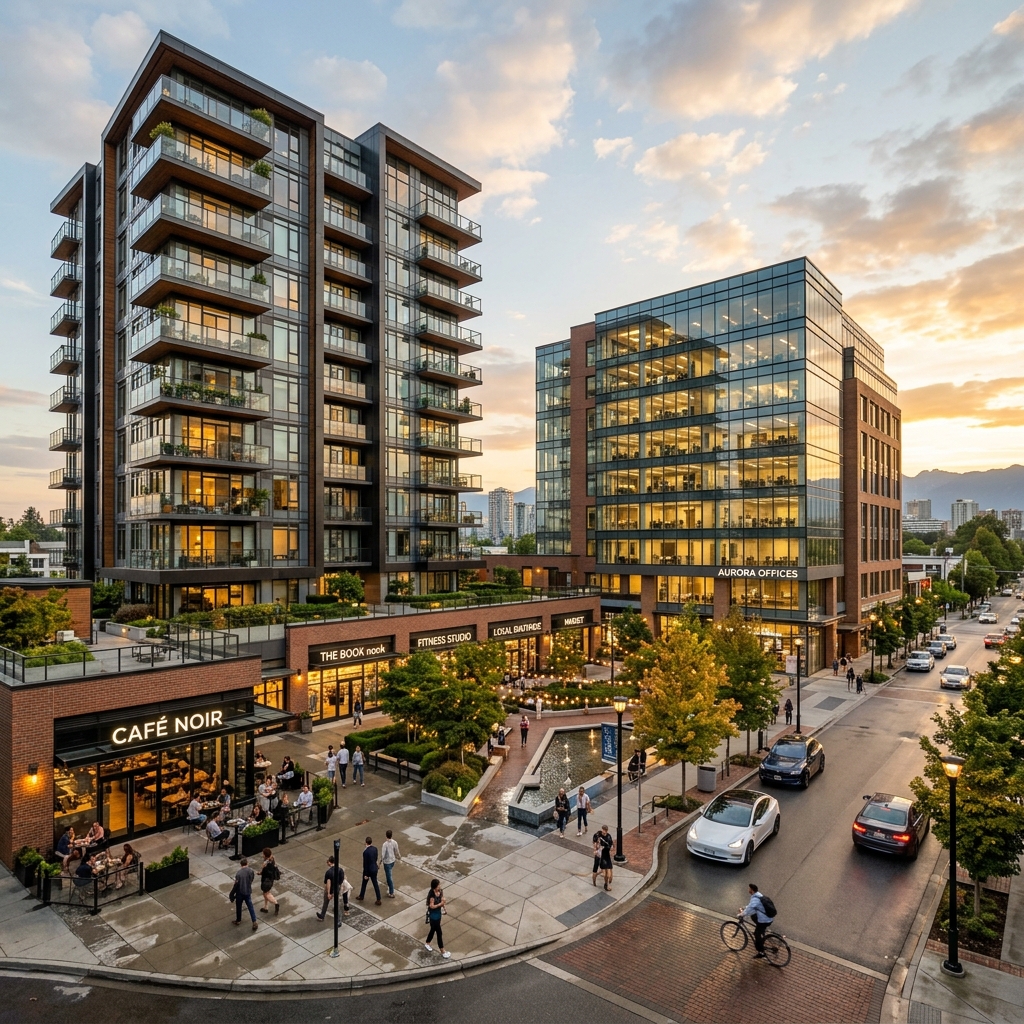
Mixed-use real estate combines two or more different types of uses within a single building or complex—most commonly, ground-floor retail or office space with residential apartments above. This property type offers investors built-in diversification, vibrant tenant communities, and multiple streams of income.

Nationwide
Lending
Fast
Decision
Secure &
Confidential
FOR COMMERCIAL AND VALUE-ADD INVESTORS.
Nationwide
Lending
Fast
Decision
Secure &
Confidential
FOR COMMERCIAL AND VALUE-ADD INVESTORS.
Step 1 of 2

Check Eligibility

For Your Next Real Estate Project

Soft credit pull only — won't affect your score

256-Bit SSL Encryption & Privacy Protected

No obligation • Response within 24 hours

What Is Mixed-Use Real Estate?

Mixed-use properties blend residential, commercial, cultural, or institutional uses into one space, where those functions are physically and functionally integrated. A classic example is a main street building with a storefront on the ground level and apartments on the upper floors. These properties are valued based on their combined Net Operating Income (NOI).
What Is Mixed-Use Real Estate?

What You Can Do With It

Mixed-use allows for dynamic investment strategies balancing commercial stability with residential demand.

StrategyWhat It MeansLearn More
Urban Core RevitalizationPurchase older downtown buildings and modernize both the retail and living spacesRenovation & Value-Add
Live-Work InvestmentsOperate your business on the ground floor and rent out the apartments aboveCommercial Real Estate Loans

Mixed-Use Market Snapshot (2026)

Demand for walkable, integrated communities continues to drive the mixed-use sector.

Walkability premiumProperties in highly walkable urban and suburban cores command premium rents.
Suburban shiftMany suburbs are developing 'town centers' that mimic urban mixed-use density.

Figures are generalized industry observations for 2026.

Serhii Sarkisov
Written by Serhii Sarkisov
Capwell Capital — Commercial Real Estate Loan Broker (Capwell Capital DBA, TX)
Last updated: August 2026

The Advantages of Mixed-Use Investing

The primary advantage of mixed-use real estate is diversification. By combining commercial and residential tenants in a single property, investors insulate themselves against downturns in any one sector. If the retail market softens, the residential income provides a safety net; if residential vacancy temporarily spikes, the long-term commercial lease ensures cash continues to flow. This balance makes mixed-use properties highly attractive for long-term hold strategies.

Synergy Between Uses

Well-executed mixed-use developments create a synergistic environment. The residents living in the apartments provide a built-in customer base for the ground-floor retail or restaurants, while the presence of convenient on-site amenities makes the residential units more desirable and allows landlords to command higher rents. This 'live-work-play' dynamic is increasingly sought after by modern renters.

Financing Complexities

While mixed-use properties offer great benefits, they can be more complex to finance. Lenders often categorize the building based on the predominant use—for example, if 60% of the income comes from residential units, the property may be underwritten primarily as multifamily, subject to commercial guidelines. Partnering with an experienced commercial mortgage broker is essential to navigate these nuances and secure the most favorable loan terms.

Real-World Examples

Illustrative examples using typical 2026 market rates — not actual Capwell clients, and not an offer or a guaranteed rate. Your terms depend on the property, equity, and profile.

How It Plays Out

Investors drawn to mixed-use properties appreciate the vibrant, community-focused nature of the asset. Balancing the long-term, triple-net leases of commercial tenants with the shorter-term, dynamic leases of residential tenants creates a robust investment portfolio within a single building footprint.

How It Plays Out

Access More Financing for Your Project

We help identify and present the full value of your project so all eligible costs and existing equity can be considered.

Step 1 of 2

Check Eligibility

For Your Next Real Estate Project

Soft credit pull only — won't affect your score

256-Bit SSL Encryption & Privacy Protected

No obligation • Response within 24 hours

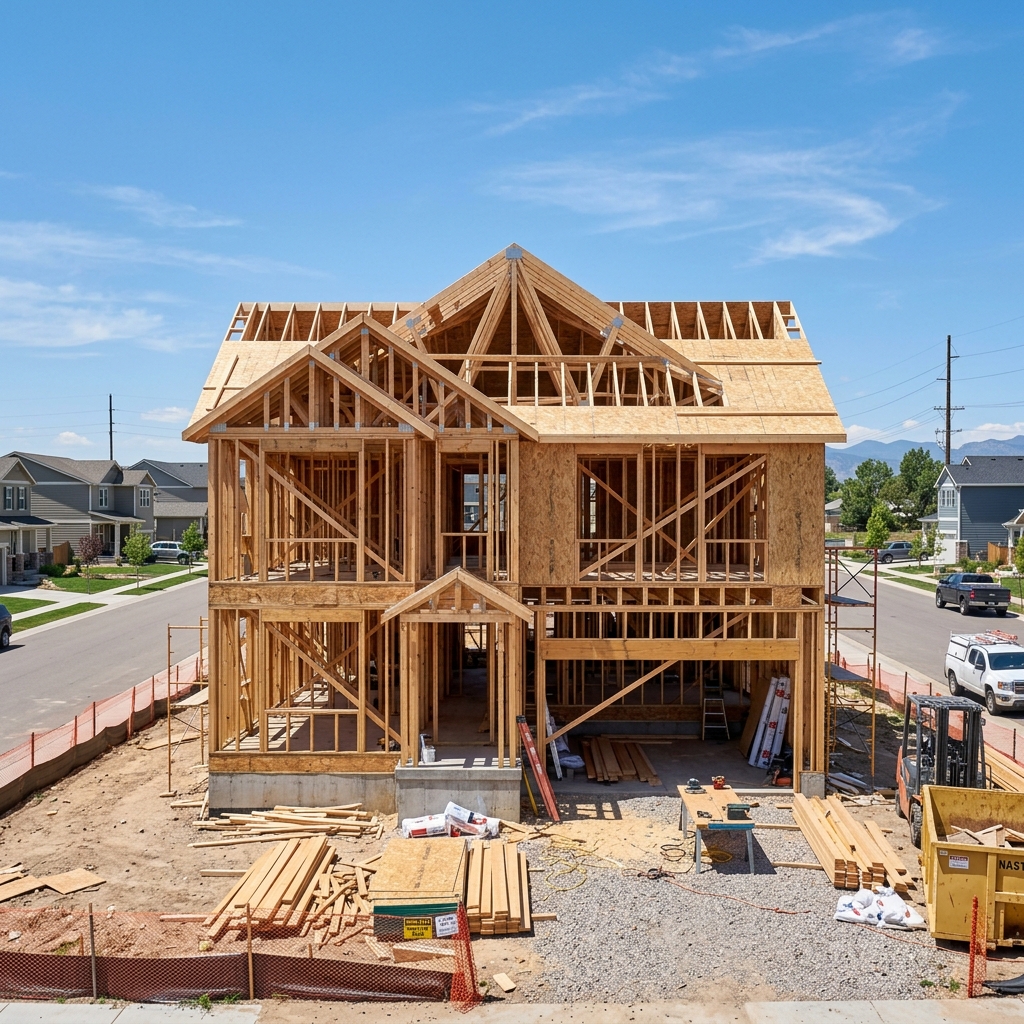
House under construction
Land value and existing land equity
Approved plans and permits
Architecture, engineering, and eligible soft costs
Site preparation and completed construction work
Remaining vertical construction budget
Completed value or stabilized property value

Tips

General pointers for mixed-use investing:

1

Understand the primary use

Know whether your property is primarily residential or commercial, as it impacts financing.

2

Carefully vet commercial tenants

Ensure the ground-floor business is compatible with a residential environment (e.g., avoid noisy or high-emission businesses).

Not financial or legal advice.

Free Investor Guide

Free Investor Guide

Maximize Your Returns & Reduce Your Capital Costs

Download our free guide on how to structure your real estate investments, secure better financing terms, and efficiently extract cash from your properties.

By submitting this information, you confirm that: (i) the information provided by you is accurate; (ii) you consent to receive our guide via email; and (iii) you agree that the information you are providing is subject to Capwell's Privacy Policy and Terms of Use.

Frequently Asked Questions

Is a mixed-use property considered commercial or residential?

Ready to Fund Your Deal?

Submit your property details and let our team structure the optimal capital stack for your project.