
What Is Refinancing?
Refinancing is taking out a new loan that pays off and replaces the existing loan on a property you already own. The property stays yours - only the financing changes. Owners refinance either to improve their terms, such as a lower payment or a fixed rate, or to access equity the property has built up, and the new loan simply takes the place of the old one.
Why Refinancing Demand Is High in 2026
Refinancing is one of the most common reasons owners seek financing in 2026 because a large wave of real estate loans is coming due. According to Mortgage Bankers Association data, roughly $950 billion in commercial mortgages were set to mature in 2025, with the maturity wall extending into 2026 and 2027. Owners whose loans were originated years ago at different terms are refinancing ahead of their maturity dates — to replace a balloon, lock a fixed rate, or pull out equity the property has built up.
Rate-and-Term vs. Cash-Out Refinance
There are two kinds of refinance. A rate-and-term refinance replaces your existing loan with better terms - a lower rate, a fixed rate, or more time - without increasing the balance. A cash-out refinance replaces the loan with a larger one and returns the difference to you as cash, drawn from the property's equity. Rate-and-term is about improving the loan you have; cash-out is about turning equity into usable money.
Why Owners and Investors Refinance
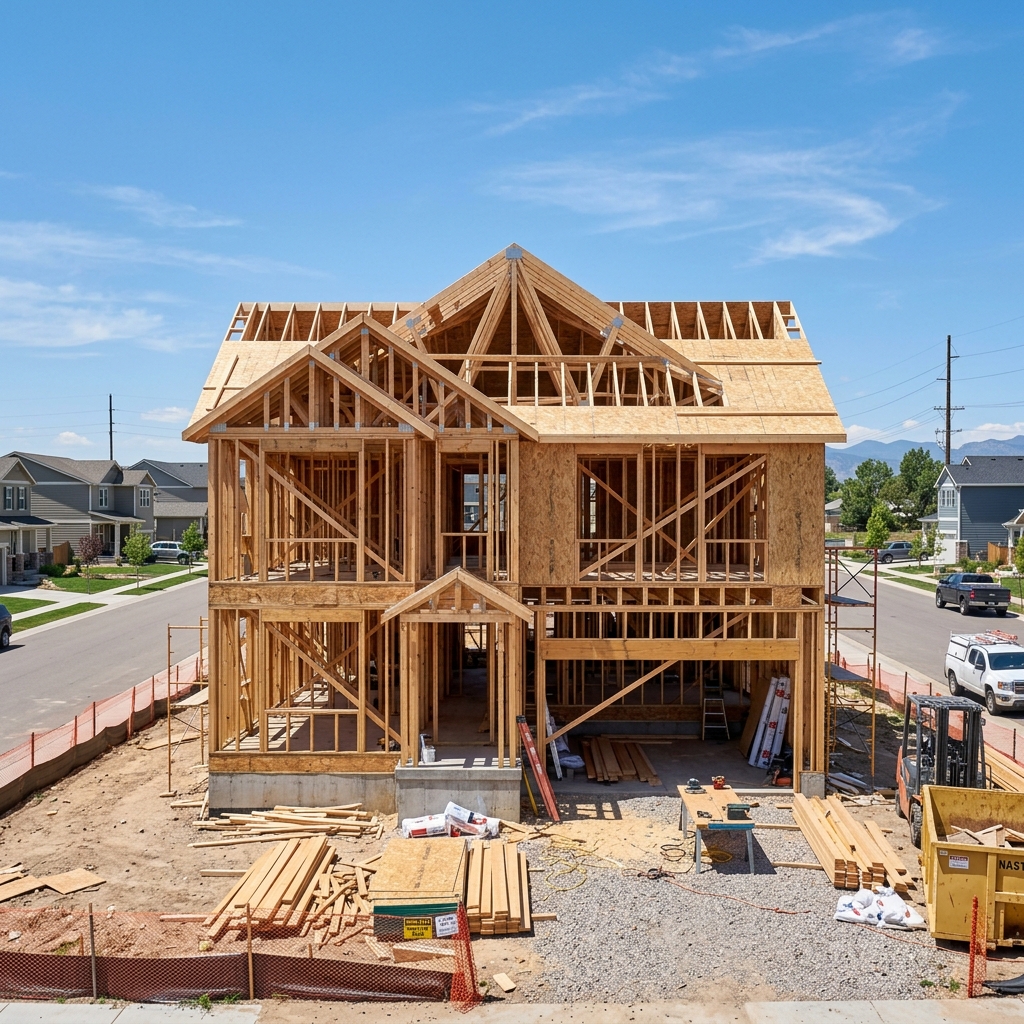
Most refinances happen for one of a few reasons: the current rate or terms no longer fit, the property has appreciated and the owner wants to access that equity, a loan is maturing or a balloon payment is coming due, or the owner needs capital to renovate, build, or buy the next property. Whether it's to refinance a rental property, pull a cash-out refinance on land to unlock dead equity, or do a commercial refinance on a multi-tenant building, refinancing restructures existing debt around the owner's current goal rather than requiring a sale.
Refinancing an Investment Property vs. Your Own Building
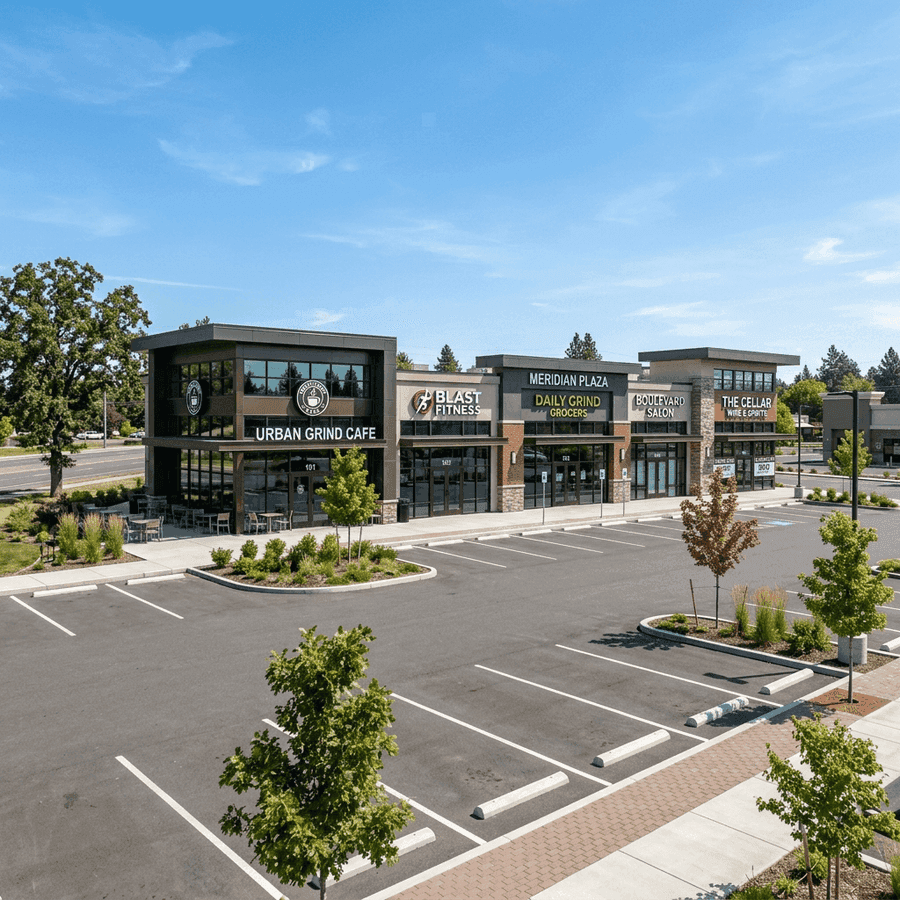
How you refinance depends on the property. An investment property — a rental, land, or a commercial building you lease out — is refinanced on the property's value and income, often without personal income documentation. A property your own business occupies can move into long-term or SBA financing. In both cases the existing loan is replaced; what changes is which lender and program fit the property.
How Much Equity Do You Need to Refinance?
Refinancing depends on how much equity is in the property, since lenders will only lend up to a percentage of its value. As a general guide, most refinances are sized to leave meaningful equity in place - often lending up to roughly 65%-80% of value depending on the property and loan type - so the more the property is worth relative to the existing loan, the more room there is to improve terms or take cash out.
Refinance vs. Sell
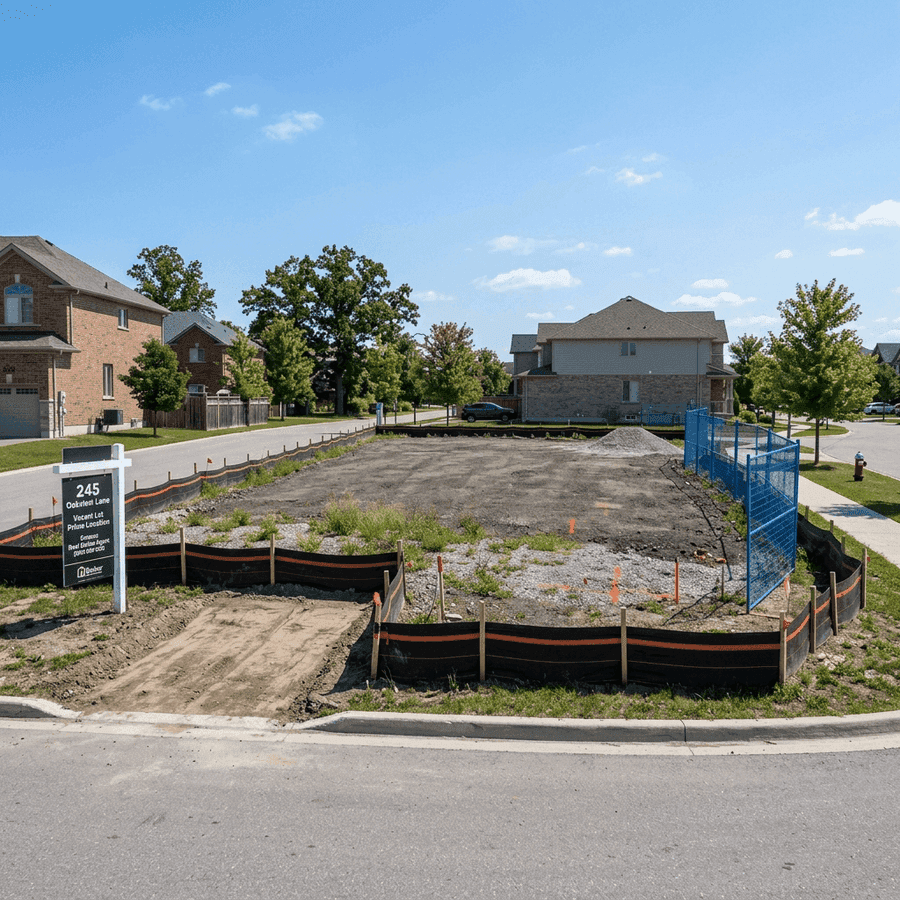
Refinancing lets an owner unlock a property's value without giving up the property, while selling ends ownership entirely. When a property has appreciated but still produces income or future upside - an appreciated rental, a piece of land worth far more than its purchase price - a cash-out refinance can free up capital to reinvest while the owner keeps the asset and its future gains.
Timing: Refinancing Before a Loan Matures
The best time to start a refinance is well before an existing loan matures or a balloon payment comes due. Acting early gives time to document the property, order a valuation, and compare options, rather than racing a deadline. Waiting until a loan is nearly due narrows the choices and adds pressure to the process.