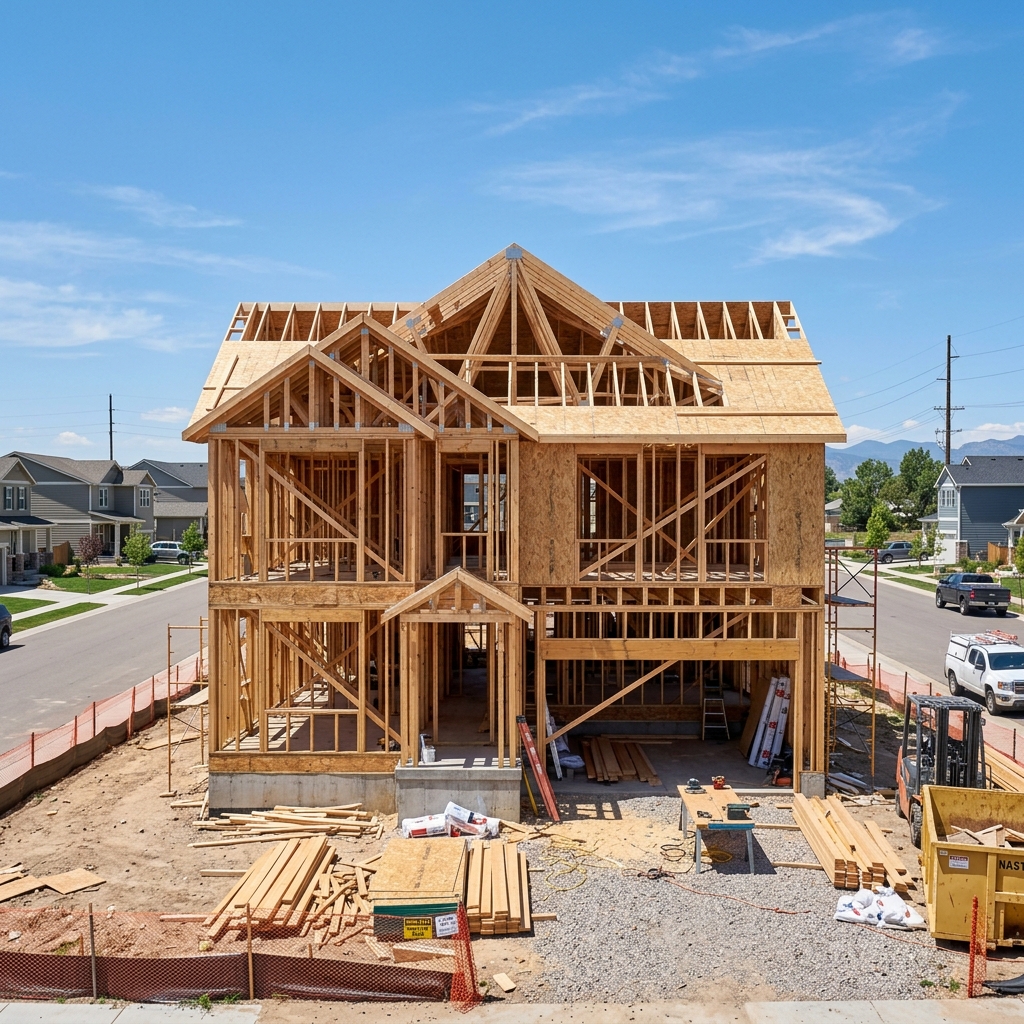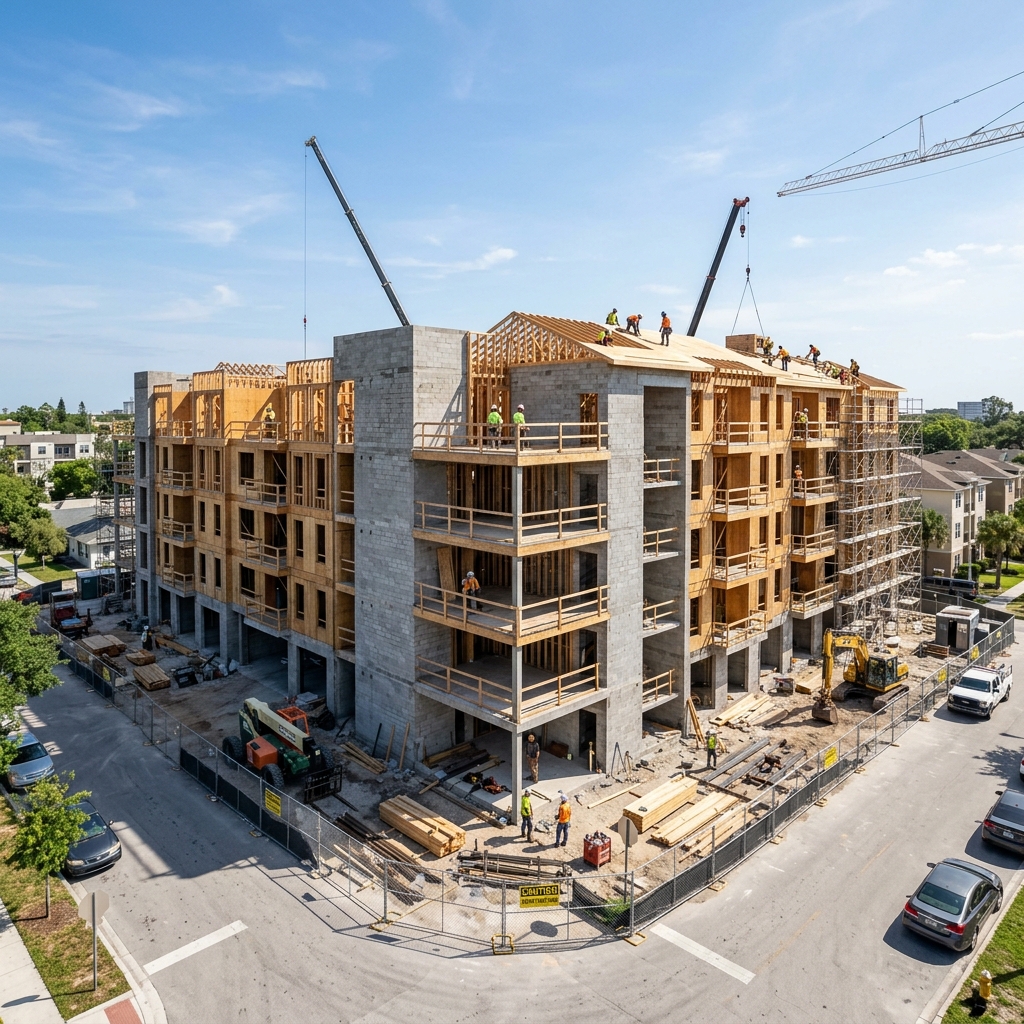

What Is Renovation & Value-Add Financing?
Renovation and value-add financing is capital used to improve a property — through repairs, upgrades, or repositioning — so it's worth more or produces more income. Unlike a standard purchase loan based on a property's current value, these loans are sized against the after-repair value (ARV) and typically fund 100% of the renovation budget, released in stages as the work is completed.
How Renovation Loans Are Structured: LTC and ARV
Renovation financing is governed by two ratios that most conventional loans don't use: loan-to-cost (LTC) and after-repair value (ARV). LTC measures the loan against total project cost — purchase price plus renovation budget — and lenders commonly fund up to 90% of purchase plus 100% of the rehab. That total is then capped against ARV, usually at about 70%–75%, so the finished-value estimate governs your maximum loan. In practice, you contribute roughly 10%–15% of the purchase and the lender funds the work.
Residential Rehab: Fix & Flip and Rehab-to-Rent
For residential properties, renovation financing comes as a fix & flip loan or a rehab-to-rent (BRRRR) loan. These asset-based loans fund the purchase and the full rehab budget, are underwritten on ARV, carry interest-only payments, and close in about 5 to 14 days. Rates in 2026 typically run around 9% to 11.5%. A fix & flip exits by selling the finished property; a rehab-to-rent exits by refinancing into a long-term rental loan once the property is leased.
Commercial Value-Add: Repositioning a Property
For commercial properties, value-add financing usually takes the form of a short-term bridge loan underwritten on loan-to-cost rather than loan-to-value. Because a value-add asset may have little income at acquisition, lenders size the loan against total cost — commonly up to 70%–75% LTC — and fund the renovation or tenant improvements. A typical structure is a two-to-three-year bridge that funds 100% of the renovation, then converts or refinances into permanent financing once the property reaches stabilized occupancy, often around 90%.
How the After-Repair Value Sets Your Budget
The after-repair value is the projected market value of the property once renovations are complete, and it sets the ceiling on your loan. A common rule is that total project cost — purchase plus rehab plus holding costs — should stay at or below about 75% of ARV for the deal to work. If the combined cost climbs above that, lenders reduce leverage and you bring more cash, which is why an accurate ARV and a disciplined budget matter as much as the rate.
Draws: How Renovation Money Is Released
Renovation funds are not handed over at closing — they're held by the lender and released in draws as work is completed and verified. You typically fund each phase of work first, then the lender inspects and reimburses, usually within a few business days. This protects both sides and keeps the budget tied to real progress, but it means you need enough working capital to front each stage.
Funding a Renovation on a Property You Already Own
If you already own the property, you can fund a renovation without buying anything by pulling from your equity. A cash-out refinance or a rehab loan against the existing property releases capital for the improvements, which you then use to raise rents, increase value, and either sell or refinance into permanent financing. This is common for owners repositioning a building they've held for years.