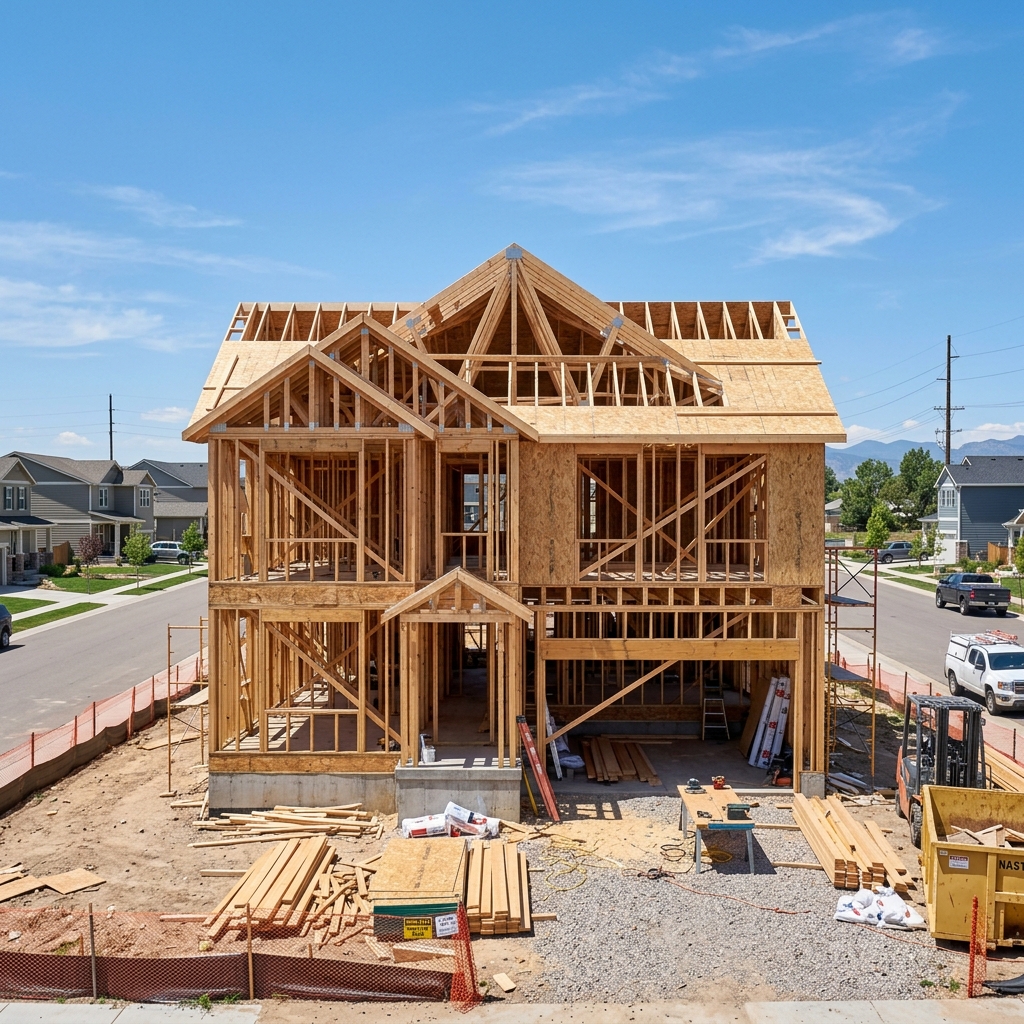





What Is a Fix & Flip Loan?
A fix & flip loan is a short-term, asset-based loan that funds both the purchase and the renovation of a residential investment property, repaid when the property is sold — usually within 12 months. It is a form of hard money lending, sized against the property's after-repair value (ARV) rather than the borrower's income, and it is for business or investment purposes only.
How Do Fix & Flip Loans Work?
A fix & flip loan combines two parts: financing toward the purchase and financing for the rehab budget. Lenders typically fund up to 85% of the purchase price and 100% of the rehab, capped so the total loan stays at or below 70% of the ARV. The rehab money is held back and released in draws as work is completed and verified. Payments are interest-only, and the loan is repaid by the sale — your exit.
Fix & Flip Loan Rates, Points & Fees (2026)
Most fix & flip loans carry an interest rate between 7.99% and 12%, plus 1 to 3 origination points, with most lenders charging 2 points. Rate and leverage depend heavily on your experience, the ARV, and the strength of the deal; first-time flippers usually see higher pricing and lower leverage. Points can run higher on small loan amounts.
Fix & Flip Loan Terms & Guidelines
Loan Amounts
Most fix & flip lenders lend from about $50,000 to $3,000,000, with some funding up to $7,000,000 in high-value markets such as Los Angeles, San Francisco, New York City, Austin, and Miami.
Leverage & Down Payment
Lenders fund up to 85% of the purchase price — a small number up to 90% — while financing 100% of the rehab budget, so you typically bring a 10–20% down payment.
After-Repair Value (ARV)
The total loan is capped at up to 70% of ARV; some lenders drop to 65% for less-experienced borrowers or weaker locations.
Term & Payments
Loans run up to 12 months, interest-only, with extensions available for a point or more if a project runs long.
Fix & Flip Loan Requirements — Do You Qualify?
Fix & flip approval depends mainly on the deal — the ARV, the rehab plan, and your exit — with experience and credit affecting leverage. Lenders generally look for: a rehab budget document; a general contractor ready to work; cash reserves for overruns; a FICO of 620+ at national lenders (some to 500 with an explanation); and, ideally, one completed flip in the past two years, though first-timers can qualify with more equity and a lighter rehab.
Fix & Flip Loan Scenarios
Common fix & flip structures are a cash down payment on the purchase with the lender funding the full rehab; a rehab loan on a property you already own; and using equity in another property as collateral instead of a cash down payment, known as cross-collateralizing.
Fix & Flip vs. Conventional Financing
Choose a conventional loan when the property is move-in ready and you want the lowest rate; choose a fix & flip loan when the property needs work a bank won't lend on and you need to close fast. Because banks avoid short-term loans on distressed property, fix & flip financing is often the only practical option for a rehab project.
Pros and Cons of Fix & Flip Loans
The main advantages of fix & flip loans are 100% rehab funding, speed, and approval based on the deal rather than income; the main drawbacks are higher cost, a required down payment, and a short term that demands a disciplined resale. The financing is built for a fast in-and-out project, not a long hold.
How to Choose a Fix & Flip Lender
The best fix & flip lender for a project is the one whose leverage, draw process, and experience requirements fit your deal — not just the lowest advertised rate. Bring Capwell the scenario once, and we match it with lenders likely to fund it competitively so you can compare real terms and close.