





Multifamily Financing: Apartment Loan Rates & Requirements (2026 Guide)

Apartment & 5+ Unit Financing

Multifamily financing funds the purchase or refinance of apartment properties with five or more units. The right structure depends on the property: stabilized apartments qualify for low-rate agency and permanent loans, while properties still being renovated or leased up are usually financed with a bridge loan first.

Nationwide
Lending
Fast
Decision
Secure &
Confidential
FOR APARTMENT INVESTORS AND MULTIFAMILY SPONSORS.
Nationwide
Lending
Fast
Decision
Secure &
Confidential
FOR APARTMENT INVESTORS AND MULTIFAMILY SPONSORS.
Step 1 of 2

Check Eligibility

For Your Next Real Estate Project

Soft credit pull only — won't affect your score

256-Bit SSL Encryption & Privacy Protected

No obligation • Response within 24 hours

310-956-8549 for calls and texts

Rates & Terms

Multifamily Rates & Terms

Capwell Capital matches your apartment deal to agency, bank, or bridge capital based on the property's stabilization and your plan.

Agency rates from
5.50%*
Loans from
$1M to $50MM+
Up to 80%
loan-to-value (LTV)
Non-recourse
options available
Up to 30-year
terms & amortization
5+ unit
apartment properties
Stabilized & Value-Add
Agency, Bank & Bridge
Non-Recourse Options

Who We Serve

Don't see your exact project type? We specialize in structuring complex, unconventional transactions. Whether you need to reduce your current cost of capital, secure a cash-out, or refinance an existing loan, submit your scenario and our team will help you find the right financing path.

Why Capwell Capital

We Match Your Apartment Deal to the Right Capital Source

We review the property's occupancy, business plan, and your timeline, then match the deal with agency, bank, or bridge lenders whose terms fit.

Stabilization-Based Structuring

We route stabilized assets to low-rate permanent debt and transitional assets to bridge, based on where the property stands today.

Program Matching

We identify the right execution across Fannie Mae, Freddie Mac, FHA, bank, bridge, and DSCR programs for your property and market.

Recourse & Term Structuring

We weigh rate, leverage, term, and recourse so the financing fits your hold and your exit.

Eligibility & Guidelines

  • Apartment property with 5+ residential units
  • Stabilized properties qualify for agency and permanent debt; transitional properties use bridge
  • Agency loans generally expect occupancy at market norms and an operating history
  • DSCR typically 1.20–1.25+ for agency execution
  • Non-recourse available on most agency loans (with standard carve-outs)
  • Sponsor experience, liquidity, and net worth considered on larger deals
Happy Real Estate Investor

How It Works

1
Submit Scenario
Property, units, occupancy, income, business plan, and your goal.
2
Review Terms
We match the deal to agency, bank, or bridge lenders and compare rate, leverage, and recourse.
3
Underwriting & Valuation
Appraisal, rent roll and operating review, and DSCR analysis.
4
Fund & Close
Close the permanent loan, or bridge now and refinance into agency debt once stabilized.

Agency / Permanent vs. Bridge Multifamily Financing

FeatureHard Money / BridgeConventional Bank
Best ForStabilized apartmentsValue-add / lease-up
RateLower (from ~5.5%)Higher (short-term)
TermLong (up to 30 yr)Short (up to 24 mo)
RecourseNon-recourse optionsVaries
OccupancyStabilized requiredLow-occupancy OK
Serhii Sarkisov
Written by Serhii Sarkisov
Capwell Capital — Commercial Real Estate Loan Broker (Capwell Capital DBA, TX)
Last updated: August 2026

What Is Multifamily Financing?

Key Insight:

Multifamily financing is the capital used to purchase, refinance, build, or reposition an apartment property with five or more residential units. Unlike a 1–4 unit loan, multifamily is underwritten primarily on the property's income and operating performance, and the best loan type depends on whether the property is stabilized or still transitioning. It covers everything from a 6-unit building to a large apartment community.

How Does Multifamily Financing Work?

The right multifamily loan depends on the property's condition. A stabilized apartment with strong occupancy and an operating history qualifies for permanent financing — agency loans from Fannie Mae and Freddie Mac, FHA/HUD loans, or bank debt — at the lowest rates, with long terms and non-recourse options. A property still being renovated, leased up, or repositioned is usually financed first with a short-term bridge loan, then refinanced into permanent debt once it stabilizes. Matching the property to the right execution is the core of the deal.

Multifamily Loan Rates & Terms (2026)

Stabilized multifamily rates from agency lenders commonly range from about 5.5% to 6.5% in 2026, with leverage up to 80% LTV, long amortizations, and non-recourse structures. According to 2026 agency market data, some of the lowest apartment rates come from FHA and Freddie Mac executions. Rates are rate-sensitive and move with the broader market. Bridge financing for transitional properties prices higher, in line with short-term rates, in exchange for speed and flexibility on occupancy and condition.

Types of Multifamily Financing

The main types of multifamily financing are agency loans, FHA/HUD loans, bank loans, bridge loans, and small-balance programs.

  • Agency (Fannie Mae & Freddie Mac) — long-term, non-recourse permanent loans for stabilized apartments at the most competitive rates.
  • FHA / HUD — the highest leverage and longest terms available, non-recourse, for stabilized and to-be-built apartments.
  • Bank — flexible, often recourse, common for smaller or local deals and value-add.
  • Bridge — short-term capital for value-add, lease-up, or transitional properties before a permanent refinance.
  • Small-Balance & DSCR — programs for smaller apartment properties, including agency small-balance loans and cash-flow-qualified DSCR loans.

Small Multifamily Financing (5–20 Units)

Small multifamily properties have their own dedicated programs. Agency small-balance loans serve smaller apartment buildings with non-recourse, fixed-rate terms and streamlined underwriting, and DSCR loans can finance small multifamily on the strength of the property's cash flow rather than the borrower's personal income. This fills the gap for properties too large for a residential loan and too small for large-balance commercial debt.

Multifamily Loan Requirements — Do You Qualify?

Multifamily approval depends mainly on the property's income and the sponsor, with the exact bar set by the execution. Lenders generally look for: an apartment property of 5+ units; occupancy and an operating history for agency debt (or a clear stabilization plan for bridge); a DSCR around 1.20–1.25 or higher for agency; sponsor experience, liquidity, and net worth on larger deals; and a credit and background review. Non-recourse is available on most agency loans.

Multifamily Agency vs. Bridge Financing

Choose agency or permanent financing when the property is stabilized and you want the lowest long-term, non-recourse rate; choose a bridge loan when the property needs renovation or lease-up before it can qualify for permanent debt. A common path is to bridge a value-add acquisition, execute the business plan, then refinance into an agency loan once the property stabilizes.

Pros and Cons of Multifamily Financing

The main advantages of multifamily financing are low agency rates, long terms, high leverage, and non-recourse options on stabilized properties; the main considerations are that agency debt requires stabilization and documentation, and transitional properties need a bridge loan first at a higher short-term rate. Matching the property to the right execution is what protects your rate and your leverage.

How to Choose a Multifamily Lender

The best multifamily execution depends on the property's stabilization, your hold period, and your recourse preference — not one lender's single program. Bring Capwell the scenario once, and we match the deal to agency, bank, or bridge lenders likely to fund it competitively so you can compare real terms.
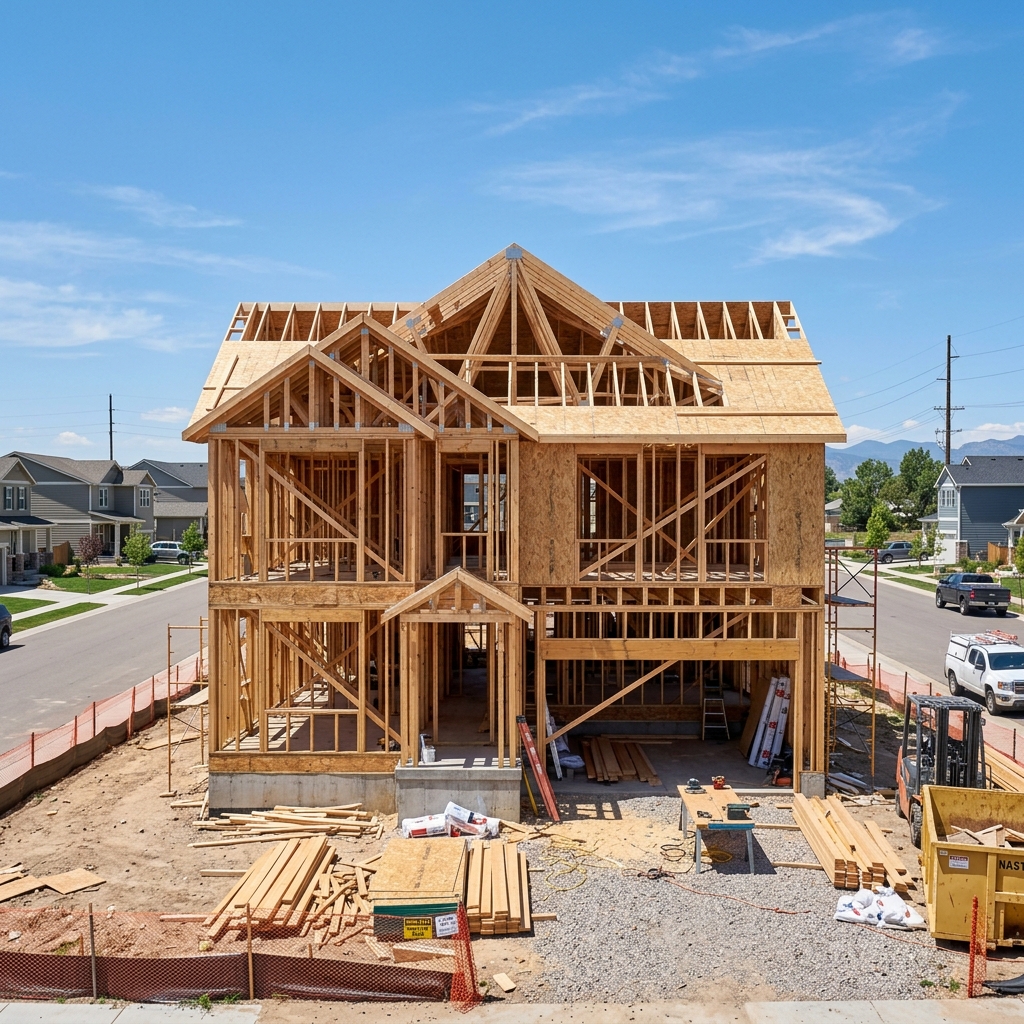
Access More Financing for Your Project

We help identify and present the full value of your project so all eligible costs and existing equity can be considered.

Step 1 of 2

Check Eligibility

For Your Next Real Estate Project

Soft credit pull only — won't affect your score

256-Bit SSL Encryption & Privacy Protected

No obligation • Response within 24 hours

310-956-8549 for calls and texts

House under construction
Land value and existing land equity
Approved plans and permits
Architecture, engineering, and eligible soft costs
Site preparation and completed construction work
Remaining vertical construction budget
Completed value or stabilized property value

Frequently Asked Questions

What is multifamily financing?
What are multifamily loan rates in 2026?
What is the minimum number of units for a multifamily loan?
What is the difference between agency and bridge multifamily loans?
Are multifamily loans non-recourse?
What LTV can you get on an apartment loan?
What DSCR do you need for a multifamily loan?
Can you finance a value-add or vacant apartment property?
What financing is available for small multifamily (5–20 units)?
Is Capwell a multifamily lender?

Ready to Fund Your Deal?

Submit your property details and let our team structure the optimal capital stack for your project.